Investment Management

Smart Investing. Personalized To You.

See if You’re a Fit
Image

Featured In

Image
Image
Image
Image
Image
Image
Image
Image
Image
Image
Image
Image
Image
Image
Image
Image
Image
Image
Image
Image
Image
Image
Image
Image
Image
Image
Image
Image
Image
Image
Image
Image
Image

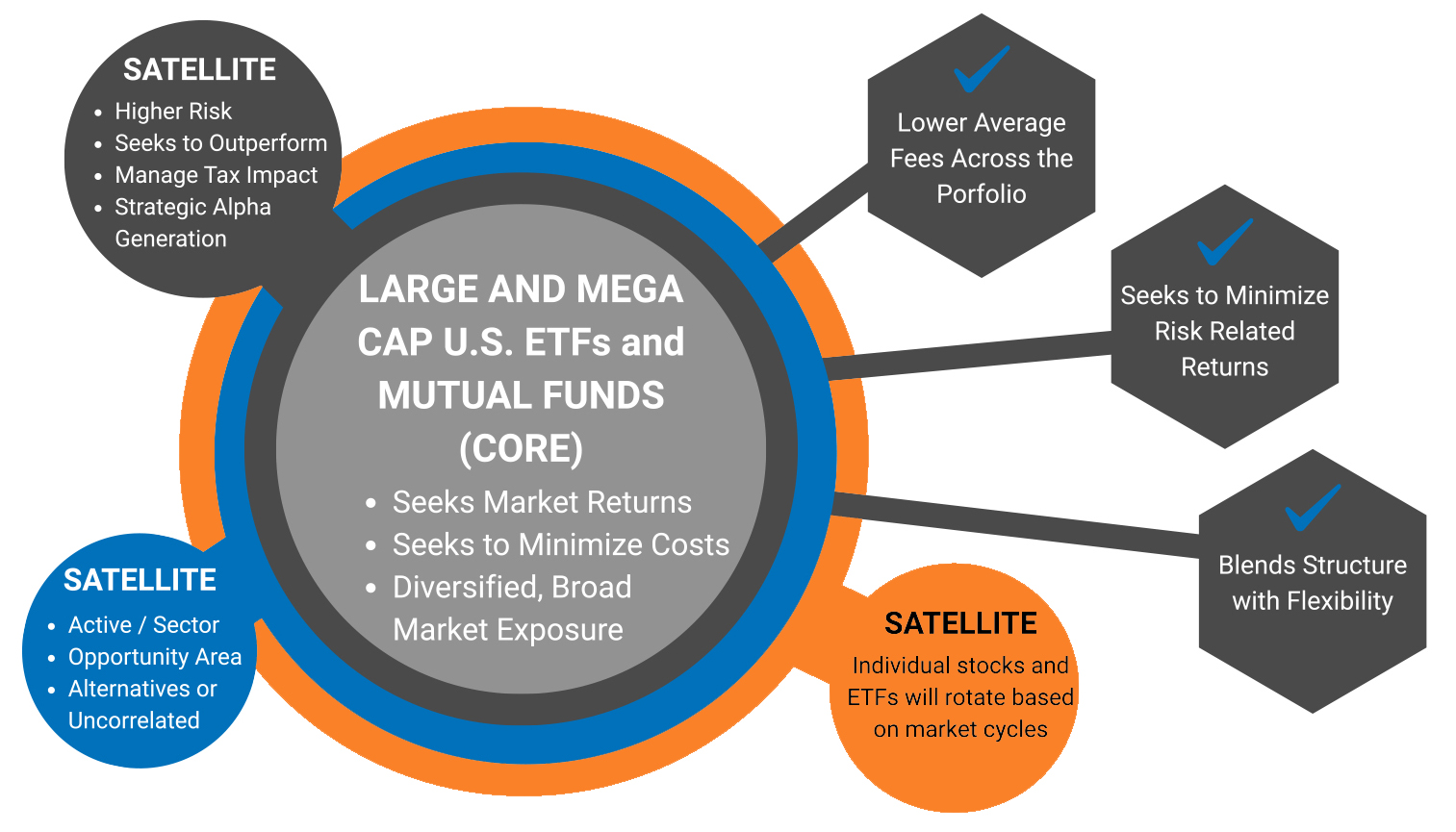
You’ve built something meaningful and managing it wisely matters more than ever. At Chesapeake, we use a Core & Satellite investment philosophy designed to keep you grounded and growing, even as markets shift.

Your “core” investments are built for long-term strength and stability, efficient, evidence-based, and tailored to your goals. Around that, we position “satellites” to adapt to opportunities, manage tax impact, and respond to what life or the market throws your way.

It’s a strategy that blends structure with flexibility, so you’re never stuck chasing headlines or making guesses in a vacuum. You stay in control, supported by a fiduciary team that explains the why, not just the what, behind every move.

Image
[grw id=8005]

Core Satellite Philosophy

Image

Who Holds Your Assets Matters

When you're trusting someone with your wealth, it's not just about who manages your investments but who safeguards them.

At Chesapeake, we’ve chosen to partner with LPL Financial as our custodian, because your financial security deserves strength, scale, and transparency. LPL is not a bank, product manufacturer, or insurance company and that matters. We remain independent fiduciaries, free to focus solely on what’s best for you, not on selling proprietary products or meeting quotas.

Our role is to help you navigate financial complexity with clarity. LPL's role is to provide a secure foundation behind the scenes, so you can move forward with confidence.

You stay in control. We stay accountable. Together, we use LPL’s robust platform to help you build a portfolio that serves your goals, not someone else’s.

Why LPL?

💼 Over $1.9 trillion in brokerage and advisory assets serviced or custodied

🔒 Cyber Fraud Guarantee: 100% reimbursement for losses due to unauthorized access

🏦 SIPC + FDIC Protection: Account coverage up to $500K (SIPC), with additional FDIC insurance through multi-bank

👥 29,000+ independent advisors use LPL’s platform to serve clients with integrity

🧭 Zero proprietary product push—your advisor recommends what’s right for you

💪 Fortune 500 company (#340 in 2025), with the scale to protect and support your investments

Our role is to help you navigate financial complexity with clarity. LPL's role is to provide a secure foundation behind the scenes, so you can move forward with confidence.

What's Your Investment Risk Profile?

A short, personalized assessment that helps align your portfolio with your goals, timeline, and true comfort with risk.
Start the Assessment

Frequently Asked Questions

CFP Board owns the marks CFP®, CERTIFIED FINANCIAL PLANNER®, and CFP® (with plaque design) in the U.S. This information is not intended to be a substitute for specific individualized tax, investment or legal advice. We suggest that you discuss your specific situation with a qualified tax, legal or financial advisor. All performance referenced is historical and is no guarantee of future results. There is no guarantee that a diversified portfolio will enhance overall returns or outperform a non-diversified portfolio. Diversification does not protect against market risk. Asset allocation does not ensure a profit or protect against loss. Rebalancing a portfolio may cause investors to incur tax liabilities and/or transaction costs and does not assure a profit or protect against a loss. Stock investing includes risks, including fluctuating prices and loss of principal. Bonds are subject to market and interest rate risk if sold prior to maturity. Bond values will decline as interest rates rise. Bonds are subject to availability and change in price. ETFs trade like stocks, are subject to investment risk, fluctuate in market value, and may trade at prices above or below the ETF's net asset value (NAV). Upon redemption, the value of fund shares may be worth more or less than their original cost. ETFs carry additional risks such as not being diversified, possible trading halts, and index tracking errors. Dividend payments are not guaranteed and may be reduced or eliminated at any time by the company. Traditional IRA account owners have considerations to make before performing a Roth IRA conversion. These primarily include income tax consequences on the converted amount in the year of conversion, withdrawal limitations from a Roth IRA, and income limitations for future contributions to a Roth IRA. In addition, if you are required to take a required minimum distribution (RMD) in the year you convert, you must do so before converting to a Roth IRA. A Roth IRA offers tax deferral on any earnings in the account. Qualified withdrawals of earnings from the account are tax-free. Withdrawals of earnings prior to age 59 ½ or prior to the account being opened for 5 years, whichever is later, may result in a 10% IRS penalty tax. Limitations and restrictions may apply. Contributions to a traditional IRA may be tax deductible in the contribution year, with current income tax due at withdrawal. Withdrawals prior to age 59 ½ may result in a 10% IRS penalty tax in addition to current income tax.